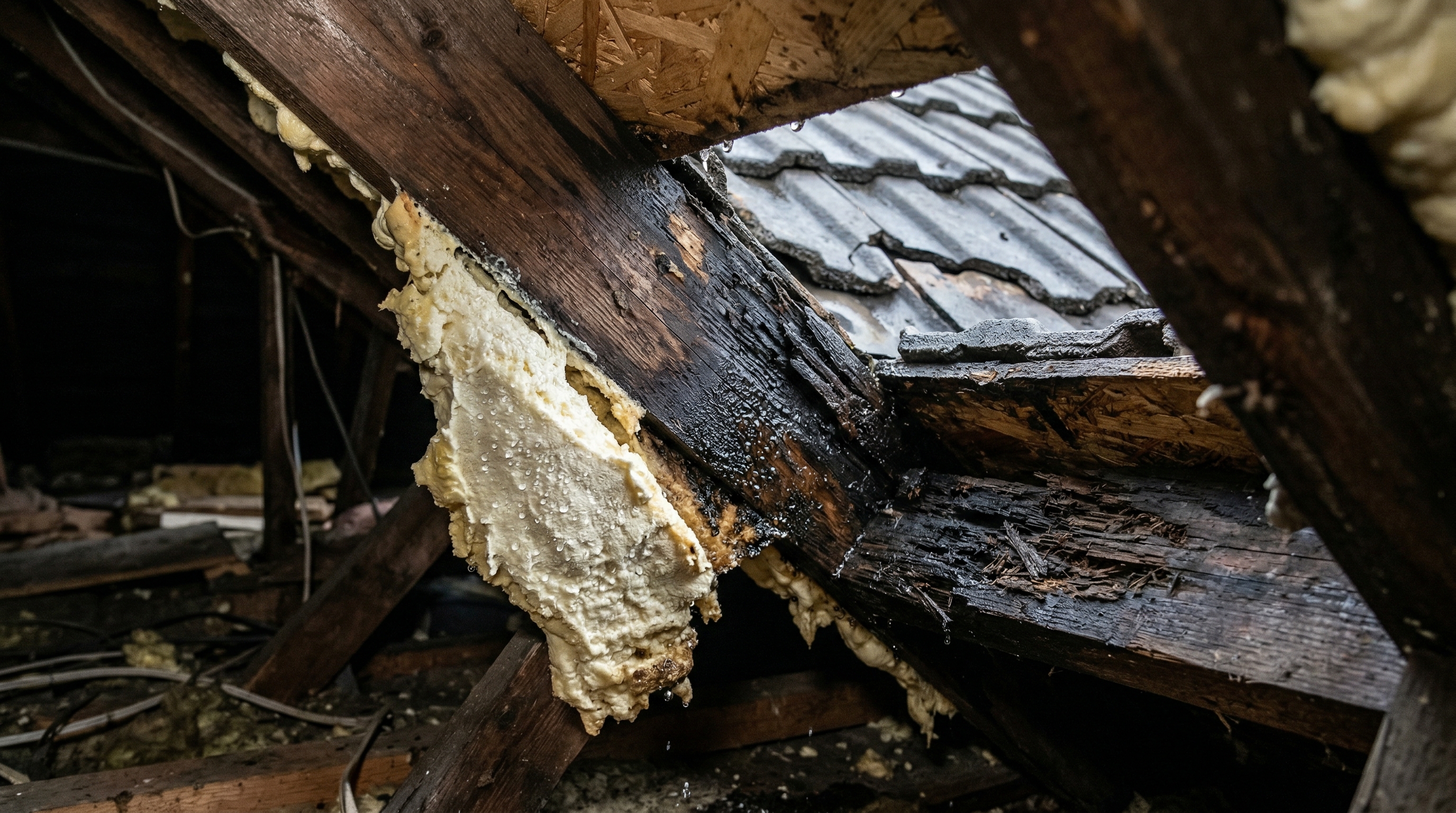
Finding a reputable spray foam insulation company in the UK is more important than ever. With hundreds of installers operating across the country — many without proper accreditations or quality controls — homeowners need to know exactly what separates a trustworthy company from a cowboy installer.
At Spray Foam Removal Advice, we've seen first-hand the damage caused by poorly installed spray foam. We've helped thousands of homeowners deal with the aftermath. That experience has given us a unique understanding of what makes a spray foam company genuinely reliable — and what red flags to avoid.
This guide explains exactly what to look for, what to avoid, and how to get quotes from vetted, SFRA-approved companies through our network.
Why Choosing the Right Company Matters More Than Ever in
The spray foam insulation industry in the UK has grown rapidly, but regulation hasn't kept pace. The result is a market flooded with companies of wildly varying quality. Choosing the wrong installer can lead to:
- Timber rot and structural damage — Poorly installed spray foam can trap moisture against roof timbers, causing rot that compromises your roof's structural integrity.
- Mortgage complications — Most major UK lenders now have specific policies on spray foam insulation. A bad installation can make your property unmortgageable.
- Costly removal — If spray foam needs to be removed, it typically costs between £3,000 and £8,000 depending on the property size and foam type.
- Voided roof warranties — Many tile and slate manufacturers void their warranties if spray foam is applied to the underside of the roof covering.
- Condensation and damp problems — Inadequate ventilation after spray foam installation is one of the most common issues we see.
The 8 Essential Criteria for a Reputable Spray Foam Company
Based on our years of experience helping homeowners with spray foam issues, these are the non-negotiable criteria you should insist on:
1. BBA Certification on Products Used
The British Board of Agrément (BBA) certification is the gold standard for spray foam products in the UK. A BBA certificate confirms that the product has been independently tested and meets defined performance standards. Any company that cannot show you BBA certification for the specific product they plan to use should be avoided entirely.
2. NIA Membership
The National Insulation Association (NIA) is the leading trade body for the insulation industry. NIA members are required to meet quality standards, carry appropriate insurance, and adhere to a code of practice. While NIA membership alone doesn't guarantee a perfect installation, it provides an important baseline of professionalism.
3. Mandatory Pre-Installation Survey
This is perhaps the single most important factor. A reputable company will always conduct a thorough pre-installation survey that assesses:
- Current roof condition and timber health
- Existing ventilation and whether it's adequate
- Signs of moisture, damp, or condensation
- Roof covering type and compatibility
- Whether spray foam is actually appropriate for your property
If a company is willing to install without surveying first, walk away immediately. This is the single biggest red flag in the industry.
4. Proper Ventilation Planning
Ventilation is critical. When spray foam is applied to roof rafters, it changes how moisture moves through your roof space. A good company will explain exactly how ventilation will be maintained or modified, and will never dismiss ventilation concerns.
5. Transparent Pricing
Quality spray foam insulation for an average UK loft typically costs between £1,500 and £3,500 in . Be extremely wary of quotes significantly below this range — they almost always indicate substandard products, rushed installations, or both. A reputable company will provide a detailed written quote with no hidden costs.
6. Comprehensive Warranty
Look for warranties of at least 10 years, but more importantly, read the fine print. Ask specifically:
- What exactly does the warranty cover?
- Does it cover removal costs if the installation fails?
- Is the warranty backed by the installer, the manufacturer, or both?
- What would void the warranty?
7. Mortgage Lender Documentation
A professional company should provide documentation specifically designed to satisfy mortgage lender requirements. This should include details of the product used, BBA certificate reference, installation date, and confirmation of the survey conducted. If a company can't or won't provide this, it's a serious warning sign.
8. Honest Risk Communication
The best companies in the industry are upfront about the limitations and risks of spray foam insulation. They'll tell you when spray foam isn't the right solution for your property. Any company that claims spray foam is perfect for every situation is either uninformed or dishonest.
Red Flags: How to Spot a Cowboy Installer
Through our work helping homeowners with problematic spray foam, we've identified the most common warning signs of unreliable companies:
- No pre-installation survey — The single biggest red flag. No legitimate company should install without assessing your roof first.
- Pressure sales tactics — "Sign today or the price goes up" is a classic sign of a company you should avoid. Reputable companies give you time to make an informed decision.
- No BBA-certified products — If they can't show you BBA certification, don't proceed. Uncertified products are a gamble with your property.
- Dismissing ventilation concerns — "You don't need to worry about ventilation" is something no qualified installer should ever say.
- Suspiciously low prices — If a quote seems too good to be true, it almost certainly is. Cheap installations frequently lead to expensive removal jobs.
- No traceable business address — Check Companies House for their registration. Legitimate companies have traceable addresses and directors.
- Refusing to discuss removal — A company confident in their work should have no problem discussing what happens if things go wrong.
- Cold calling or door-to-door sales — Reputable insulation companies rarely need to cold call. If someone turns up unannounced offering a "special deal," be very cautious.
- No public liability insurance — Ask for proof of insurance. If they can't provide it, don't let them near your property.
Questions You Must Ask Before Hiring
Before committing to any spray foam company, make sure you get satisfactory answers to all of these questions:
- "Will you conduct a full pre-installation survey?" — The only acceptable answer is yes. Ask what the survey covers and request a written report.
- "What product will you use, and is it BBA certified?" — Ask to see the certificate. Verify it independently if needed.
- "How will you maintain roof ventilation?" — They should have a clear, specific plan for your property.
- "What documentation do you provide for mortgage purposes?" — Essential if you ever plan to sell or remortgage.
- "What is your removal policy if problems arise?" — Their answer tells you a lot about their confidence and integrity.
- "Can you provide references from installations over 5 years old?" — Long-term performance is what matters, not how it looks on day one.
- "Are you NIA accredited?" — Verify their membership independently on the NIA website.
- "What does your warranty actually cover?" — Get this in writing before you agree to anything.
- "What happens if my property isn't suitable?" — A good company will walk away if conditions aren't right. A bad one will install regardless.
- "Do you carry public liability insurance?" — Ask for proof and verify the coverage amount.
Get Quotes From SFRA-Approved Companies
At Spray Foam Removal Advice, we've built a network of vetted, approved companies that meet our strict quality criteria. Every company in our network has been assessed for:
- Proper accreditations (BBA, NIA, PAS 2030)
- Proven track record with verified customer reviews
- Comprehensive pre-installation survey processes
- Transparent pricing and honest communication
- Adequate insurance coverage
- Professional aftercare and warranty support
Rather than gambling on an unknown company, get a free quote from our network of SFRA-approved companies. We only connect homeowners with companies we trust — because we've seen what happens when the wrong company is chosen.
The Current State of Spray Foam in the UK ()
The spray foam industry has evolved significantly. Here's what homeowners need to know in :
- Stricter mortgage lender policies — Most major UK lenders now have specific requirements for properties with spray foam. Some require independent inspection reports. Proper documentation from your installer is essential.
- Improved product formulations — Newer spray foam products are designed for better moisture management. However, the quality of installation remains the deciding factor — the best product installed poorly will still cause problems.
- Growing awareness of risks — Homeowners are better informed than ever about the potential downsides of spray foam. This has pushed better companies to raise their standards while exposing those cutting corners.
- Professional removal industry — The spray foam removal industry has grown significantly as awareness of installation issues has increased. If you're already dealing with problematic spray foam, request a free removal quote from our approved network.
- Tighter industry standards — The NIA and BBA have strengthened their requirements, but the industry still lacks mandatory government regulation. This makes independent vetting — like our SFRA approval process — even more important.
Should You Get Spray Foam Insulation?
Spray foam insulation can be an effective solution when installed correctly by a qualified company on a suitable property. But it's not right for everyone. Before deciding, consider:
- Your roof's condition — Spray foam should never be applied to roofs with existing moisture problems, damaged timbers, or poor ventilation. A proper survey will identify any issues.
- Your plans for the property — If you may sell or remortgage within the next 5-10 years, understand that spray foam can complicate these processes. Ensure your installer provides mortgage-ready documentation.
- Alternative insulation options — In many cases, traditional insulation methods like mineral wool or rigid board insulation may be more appropriate and cause fewer long-term complications. A good company will discuss all options honestly.
- The total cost of ownership — Factor in not just the installation cost, but the potential cost of removal if problems arise. Understanding the full financial picture helps you make a better decision.
Already Have Spray Foam Problems?
If you already have spray foam insulation that's causing issues — whether it's timber rot, condensation, mortgage complications, or any other problem — we specialise in helping homeowners find solutions.
Our network of certified removal companies provides professional spray foam removal services across the UK. Every company in our network is vetted for quality, reliability, and fair pricing.
Request a free removal quote today or contact us for expert advice on your specific situation. We've helped thousands of UK homeowners resolve their spray foam issues, and we can help you too.