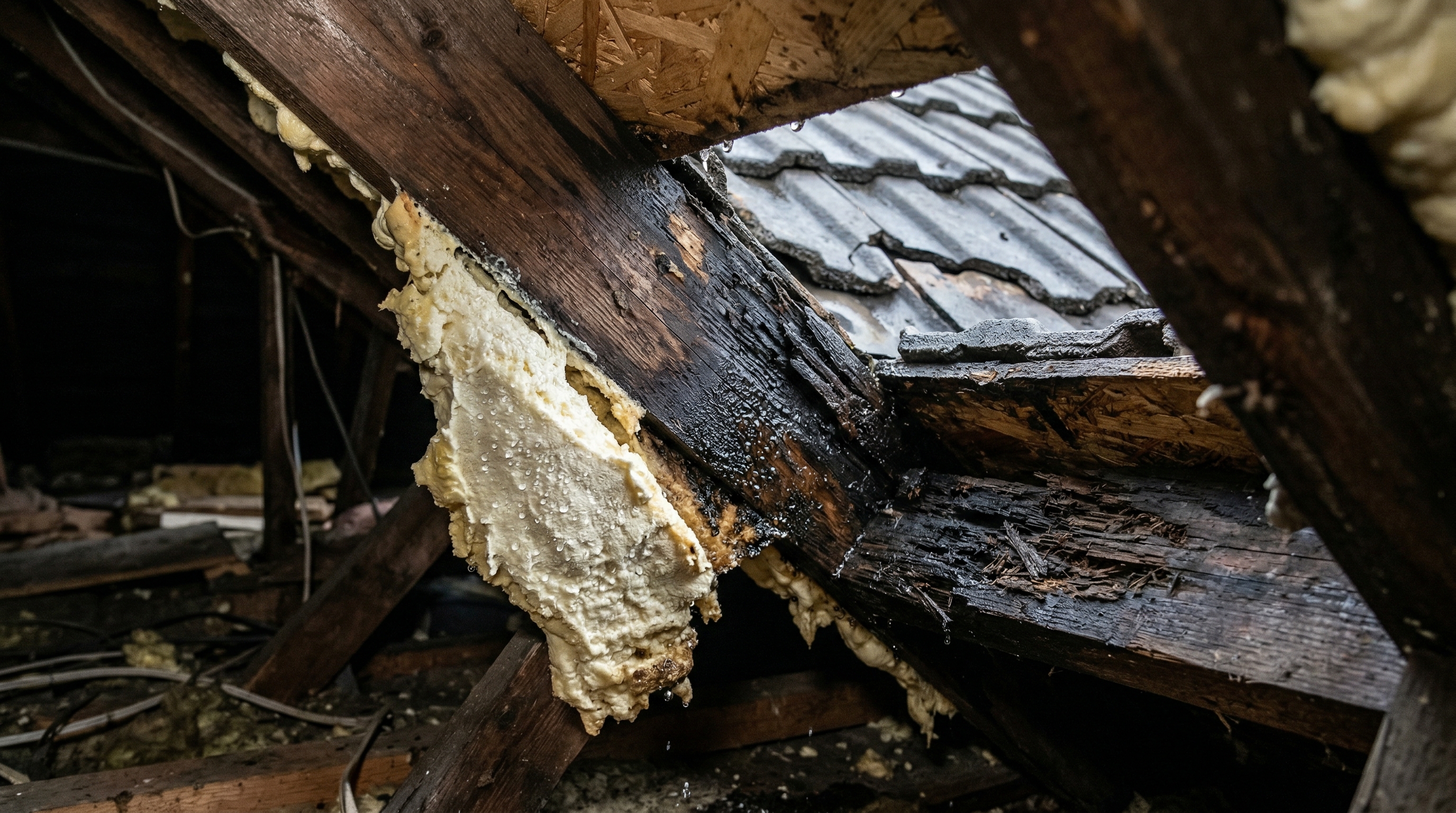

Trying to sell a house with spray foam insulation in the UK has become one of the most stressful property challenges homeowners face. What was marketed as a money-saving insulation upgrade is now the number one reason property sales fall through at the survey stage.
This guide gives you a clear, practical understanding of your options and the best strategy to achieve a successful sale.
The Reality of Selling With Spray Foam
The harsh truth is that spray foam insulation makes most properties unmortgageable. Since approximately 85% of UK property buyers require a mortgage, this immediately eliminates the vast majority of potential purchasers.
When a buyer's surveyor identifies spray foam, the following chain of events typically unfolds:
- The surveyor flags spray foam as a material concern in their report
- The mortgage lender requests removal before proceeding, or refuses to lend entirely
- The buyer either pulls out or demands a significant price reduction to cover removal costs
- The property chain collapses, costing you time, legal fees, and emotional stress
Your Three Options for Selling
Option 1: Remove Spray Foam Before Selling (Recommended)
The most effective strategy is to have the spray foam professionally removed before putting your property on the market. This approach:
- Allows normal RICS surveys without material concerns
- Opens your property to all mortgage-dependent buyers (85%+ of the market)
- Enables standard market valuation without discount
- Avoids mid-transaction complications and chain collapses
- Provides a removal certificate that reassures buyers and lenders
Cost vs benefit: Removal costs £3,000-£8,000. Selling with spray foam typically means accepting 10-25% below market value. On a £300,000 property, that's a potential £30,000-£75,000 loss versus a maximum £8,000 removal cost.
Option 2: Sell to a Cash Buyer at a Discount
Cash buyers don't need mortgages, so they can purchase properties with spray foam. However:
- Cash buyers know you're in a weak negotiating position
- Offers will typically be 15-30% below market value
- Property investors and "quick sale" companies target spray foam properties specifically
- You'll still need to disclose the spray foam on the TA6 form
Option 3: Remove During the Transaction
Some sellers negotiate removal as a condition of sale — agreeing to have the foam removed between exchange and completion. This is possible but risky:
- Adds 2-4 weeks to the transaction timeline
- Requires the buyer's lender to agree to conditional completion
- If removal reveals hidden damage, further negotiations may be needed
- Creates stress and uncertainty for all parties
Disclosure Requirements
Under UK law, you must honestly answer questions on the Property Information Form (TA6) about any known issues with the property, including insulation modifications. Failure to disclose spray foam insulation can result in:
- Legal action from the buyer after completion
- Compensation claims for removal costs and consequential losses
- Potential claims for misrepresentation or fraud
What Estate Agents Say
Experienced estate agents consistently advise: remove the spray foam before marketing. The benefits are clear — your property markets normally, attracts the full range of buyers, and achieves its genuine market value without the stigma and complications of spray foam.
If you're preparing to sell and need spray foam removal, get your free removal quote today. Professional removal typically takes just 2-5 days, and you can have your removal certificate in hand before your property goes on the market.